
In recent years, territories around the world have faced earthquakes, floods, wildfires, droughts, hurricanes, and other natural events with significant impacts on communities and infrastructure. These are compounded by increasingly challenging environmental conditions associated with climate change, which are increasing the exposure of cities and territories to extreme events.
Rebuilding affected areas should not simply mean restoring what was lost. It is an opportunity to reduce vulnerabilities, improve living conditions, and better prepare territories for future events. This is the vision put forward by the Colombia Green Building Council (Colombia GBC) in response to the challenge Colombia faces in rebuilding areas affected by the earthquake on August 10. The emergency calls for swift action, but that does not mean acting without a long-term vision.
From the Colombia GBC, and in coordination with the Ministry of Housing, City and Territory, it has been proposed that this process incorporate five dimensions: resilience and risk management; well-being and quality of life; efficient use of resources and public investment; territorial relevance and community strengthening; and a long-term development vision.
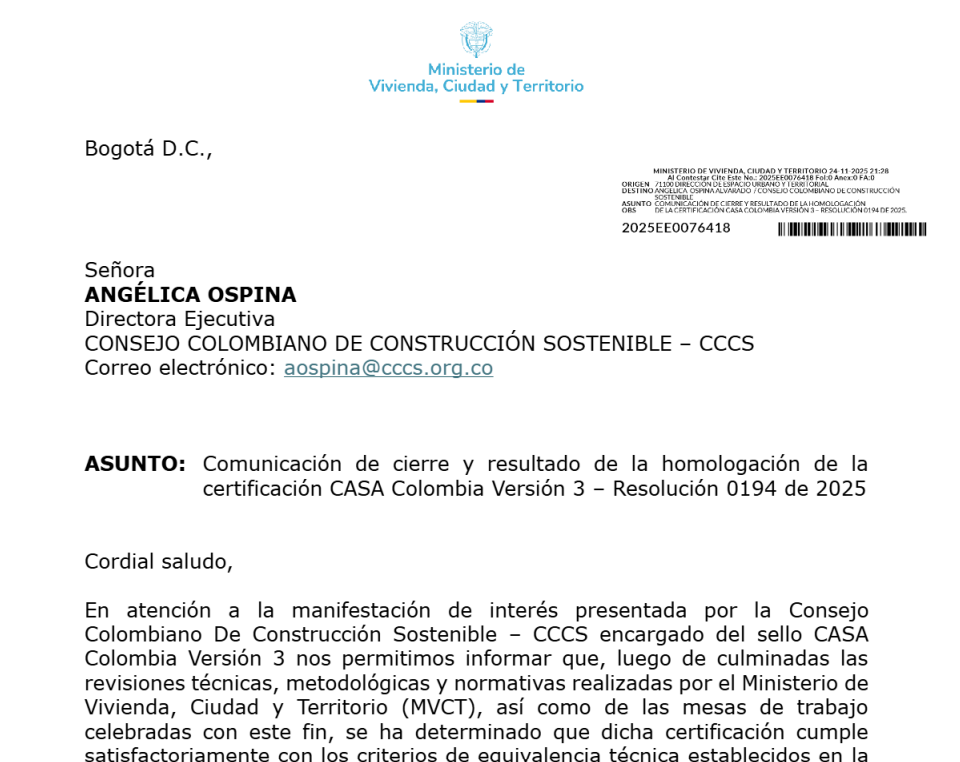
This vision, and the joint work with the Government, is advancing concretely through the issuance of Legislative Decree 1422 of 2026 by the Ministry of Housing, City and Territory. The decree establishes that housing, infrastructure, and facilities built as part of the exceptional reconstruction measures must incorporate sustainability criteria throughout their design, construction, and operation phases. These include habitability, efficient water and energy use, risk management, well-being, and consideration of the specific characteristics of each territory.
This is a fundamental step because it moves sustainability from the realm of recommendations into the framework that will guide part of the reconstruction decisions. The challenge now lies in implementation and in ensuring that these criteria translate into better living conditions, lower vulnerability, and greater capacity for territories to respond to future events.
In this regard, the first priority is to reduce risk from the outset. Reconstruction involves making decisions that will endure decades. Risk management must guide where and how reconstruction takes place, how critical infrastructure is protected, and how the continuity of essential services is ensured. In addition to natural hazards, planning must consider climate-related events that are becoming increasingly severe, including floods, landslides, wildfires, droughts, and extreme temperatures. Strengthening resilience helps reduce future losses and protect both families’ assets and public and private investment.
But rebuilding also means improving the conditions in which people live. Housing, schools, hospitals, public spaces, and social infrastructure must provide safe, healthy, and accessible environments that are suited to the conditions of each territory. Factors such as ventilation, natural lighting, air quality, thermal comfort, and access to basic services have a direct impact on the health, well-being, and quality of life of communities.
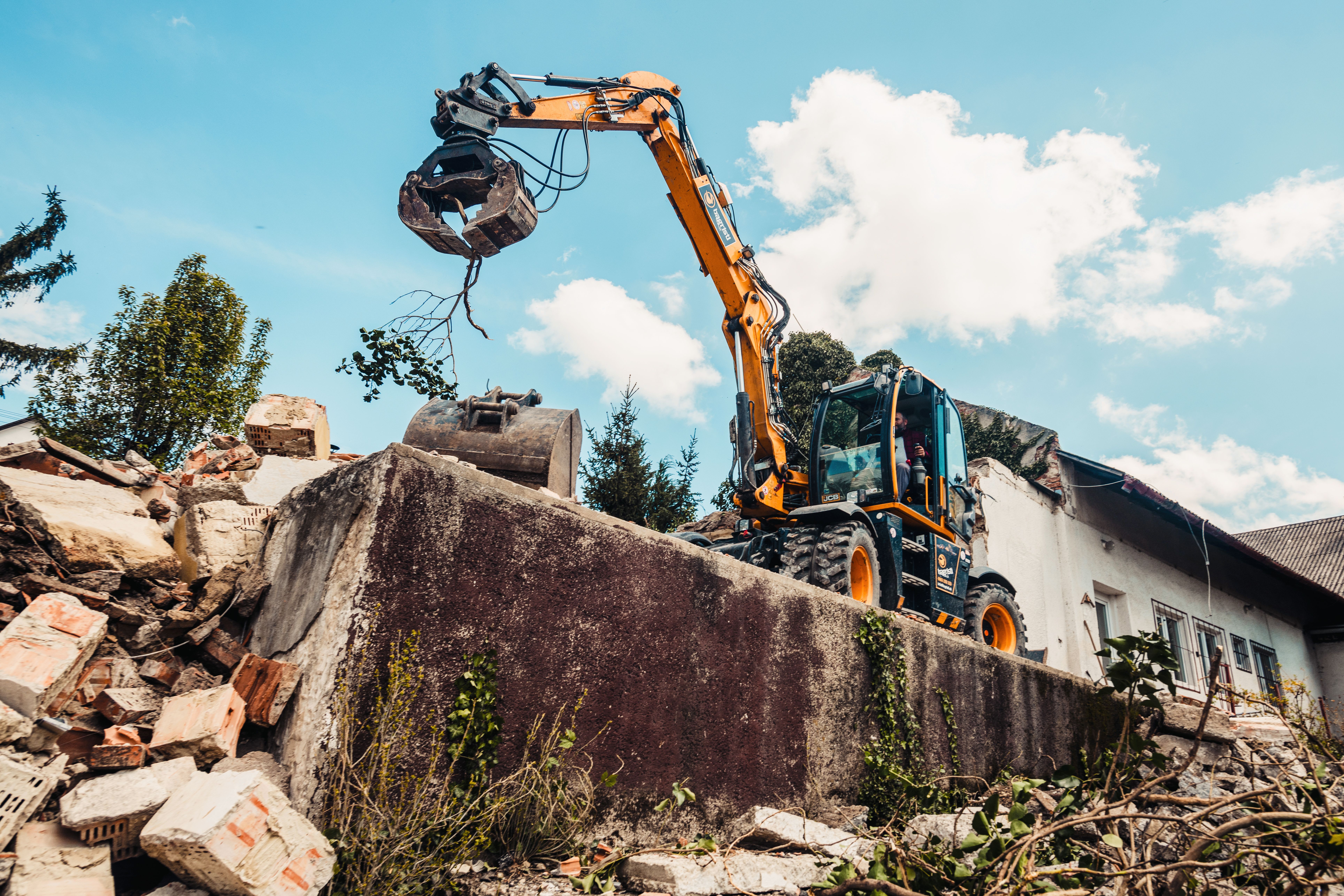
It is also essential to consider how resources are used. Reconstruction projects should be assessed across their entire life cycle, rather than solely on the basis of their initial cost. Efficient use of water, energy, and materials can reduce future operating and maintenance costs. It will also be necessary to manage construction and demolition waste and promote its recovery as aggregates and secondary raw materials that can be reintroduced into the production cycle.
There is no single way to rebuild. Environmental, cultural, social, and economic conditions, as well as local ways of living and the materials available, must inform decision-making. Community participation will be particularly important in relocation and resettlement processes, where rebuilding also means restoring support networks, economic activities, gathering spaces, and a sense of territorial identity.
Finally, today’s decisions must look beyond the emergency. The decisions made today will shape how rebuilt cities and communities function for decades to come. For this reason, interventions must be aligned with land-use planning, climate adaptation, mobility, environmental protection, and economic development.
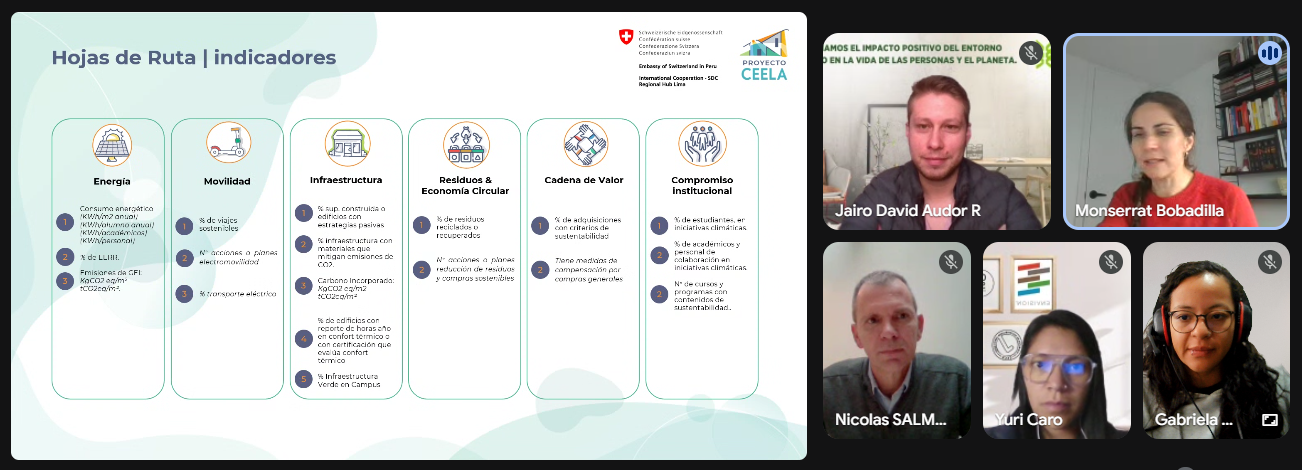
Following discussions with the Ministry of Housing, the Colombia GBC brought together Members and experts from different areas across the construction value chain to contribute knowledge and technical expertise to the reconstruction process.
Colombia also has the experience, professional expertise, and regulatory progress in sustainable construction that can be brought to bear on this challenge.
The question, then, is not only how we rebuild what was lost, but how we ensure that people, communities, and territories are better prepared after reconstruction.
Rebuilding also means doing it better.